
The Arrival of the Frisco Railway
The Dawn of the Frisco Era
In the early 1900s, the St. Louis-San Francisco Railway transformed the landscape of North Texas. The small community that would become Frisco was born from the tracks and the steam engines that promised a new era of commerce and connection.
Before the arrival of the railway, the area was sparsely populated, relying heavily on the slow transport of agriculture by wagon. But the railway changed everything. With the laying of the tracks, a new town was conceived.
The Naming of a City
Interestingly, the town wasn't originally called Frisco. Early settlers knew it as "Emerson", named after the owner of a farm where the town was situated. But due to postal confusion, the name was rejected by the U.S. Postal Service. In honor of the railway that gave the town life, it was renamed to "Frisco City" and later simply "Frisco".
"The whistle of the Frisco train was the sound of progress. It meant mail, visitors, and the promise of a thriving community."
— Unknown Early Settler
Building the Core
As the trains began to steam through, businesses quickly set up shop around the tracks. The blacksmiths, general stores, and saloons formed the commercial heart of the new city. The local agriculture—primarily cotton and wheat—now had a direct line to broader markets, supercharging the local economy.
A Legacy That Survived
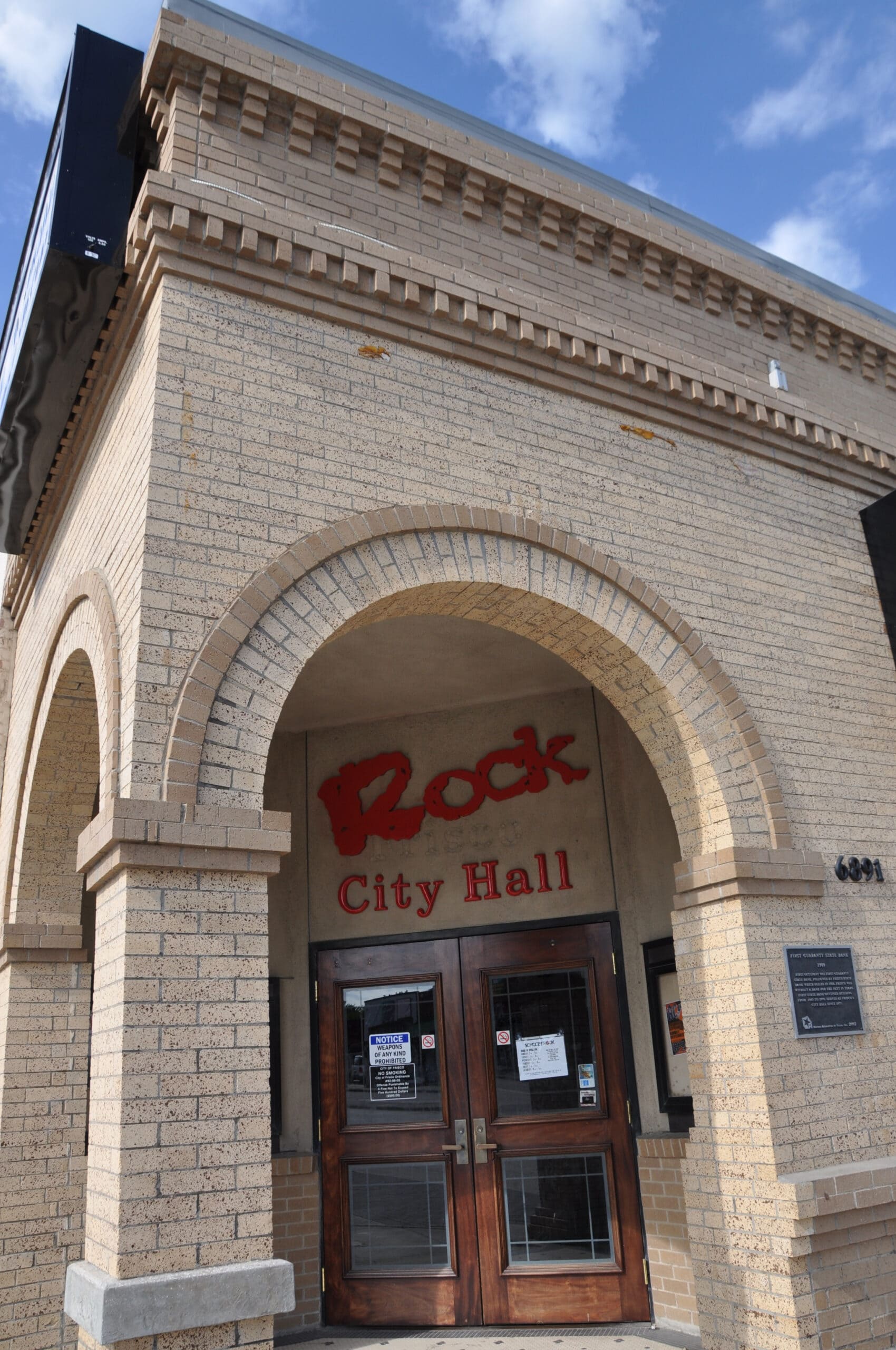
Today, while the steam engines are long gone and the railway no longer carries passengers through the center of town in the same way, the legacy of the St. Louis-San Francisco Railway remains deeply embedded in our local history. The Frisco Heritage Association works diligently to preserve these early memories, maintaining artifacts and stories of the people who laid the track for modern Frisco.